
Dinner with expats
and a time machine

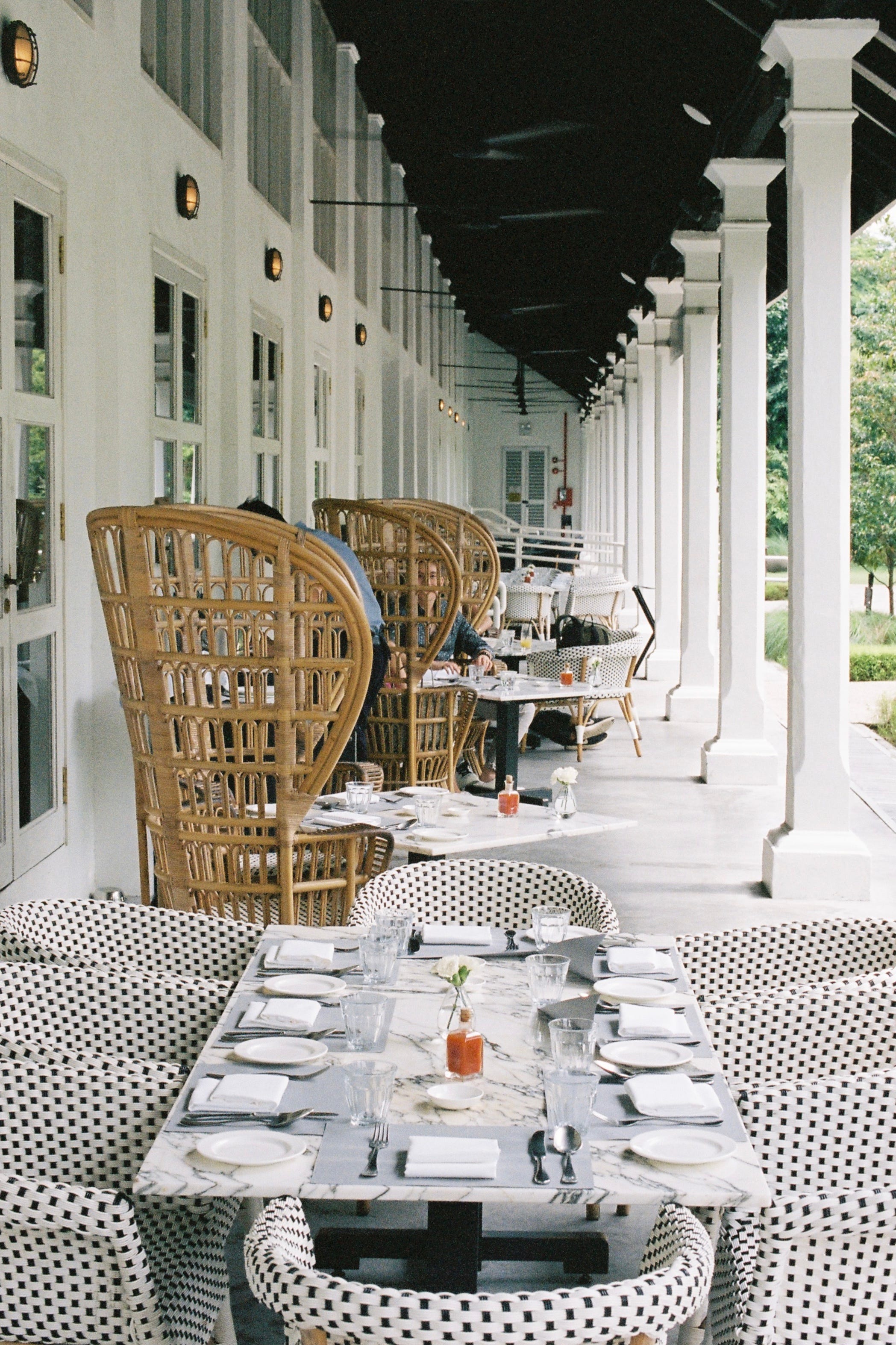
One of the best things about being an expat (aside from the obvious advantages, ifykyk) is the gathering of people from all corners of the globe. It is not homogeneous; it is a melting pot of cultures, and with that comes a rich variety of experiences, cultural differences, and stories.
My friends are Australian, Dutch, Finnish, Swiss, Singaporean, British, Canadian, Irish, French, Kiwi, Indian… the list goes on. A dinner table can look like the United Nations.
At a recent dinner party, the conversation ranged from using dating apps at the age of 46 after a divorce to tracing our ancestors' origins. Often the conversation turns to the price of rent, which schools are the best, our next vacation, or when we will leave Singapore. We are all new friends, in the context of a long life, but being apart from our home countries makes us bond fast. We become each other’s people when we are here; this extends to legal guardianship of children if something happens to one of us. Connections are both strong and necessary. We are all outsiders, and this is not home; it is temporary for us all.
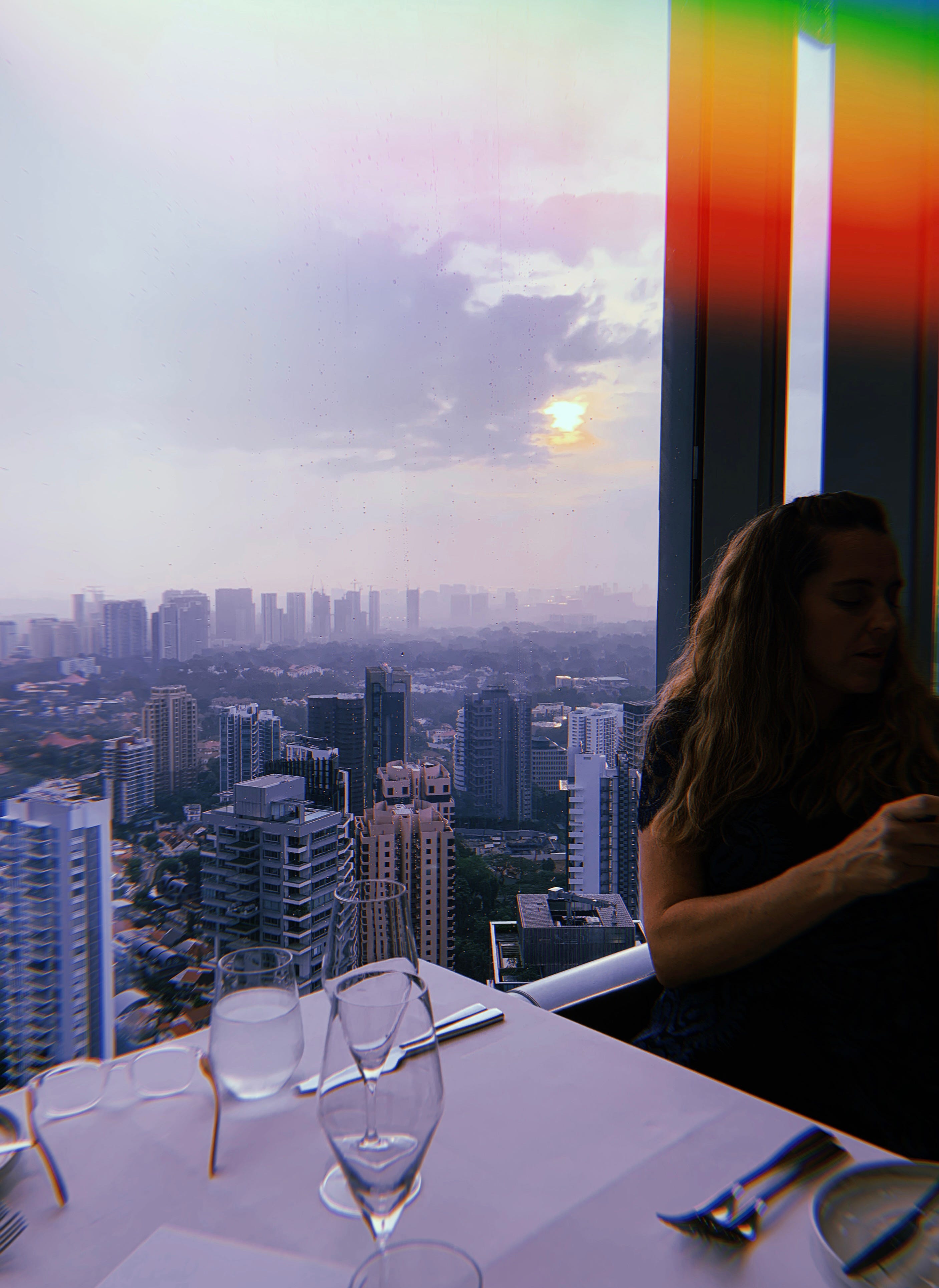
I have been an expat for most of my life, and as an adult, I have lived in 6 countries. While I have said far too many goodbyes, I have also had the pleasure of many extraordinary connections with the most extraordinary people. I can’t imagine not having this life. When I reflect on all the people whose paths I have crossed, I think the most varied expat community was in Kampala, Uganda. Today, I want to share an old post I wrote back in 2010 describing some of those characters we met and mingled with. When I re-read it, I realised how much has changed. People I thought would never leave, did in fact move. A couple I thought had the best love story ended up divorced. Some of these characters I have lost contact with, others I don’t remember well. The NGOs will have been dismantled, the world has changed, and the Aid landscape is not what it was. I don’t know much about Kampala today, but reading this brought the Kampala I knew back into focus. This isn’t just a capture of some characters I once knew; it is a snapshot of a time and place, and in that is a glimpse of who I was and what I was thinking and noticing 15 years ago. For that reason, I have not edited it. Let’s call this a time capsule.
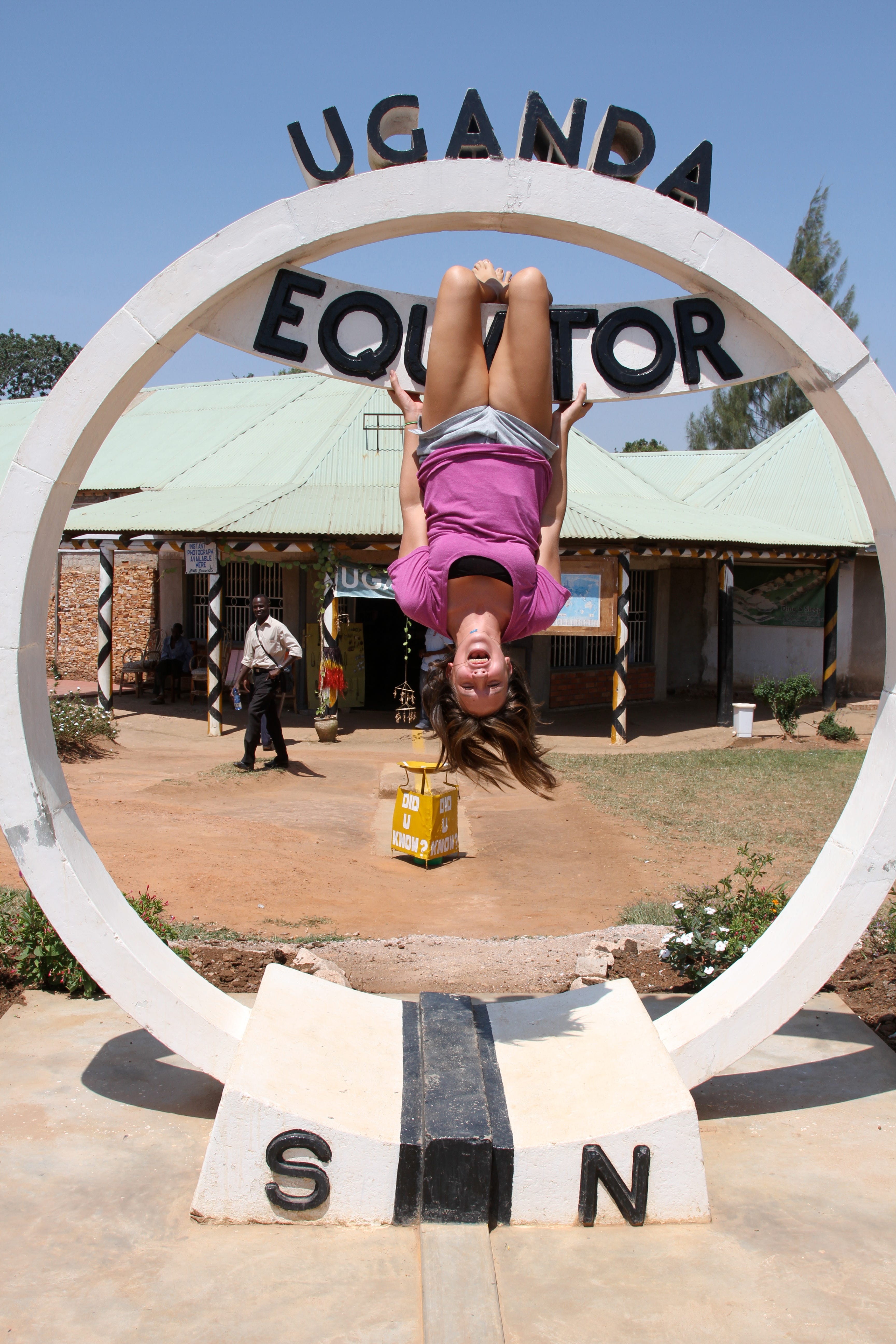
(The original blog is here.)

2010
I am meeting such a wide variety of people here —people I know; had I stayed in my previous world, I would never have met. It breaks down so many preconceived ideas and assumptions when you mingle, chat, and even befriend people you had no chance to meet before.
Let me introduce you to a few of them:
The Super Camper family have travelled all over the world with their 3 children in tow. They have seen and experienced so much of the world that their children will likely always feel like outsiders in their home country, Britain. They are amazing and unique children, however, bright and alert, energetic and motivated, and informed. The mother paints and mothers, the father plants seeds and fiddles with solar panels.
The new Super Camper family I have only recently got to know. They have lived in various countries in Africa, as well as Ireland and Denmark. They are far more comfortable out of their home countries than within them. Irish, Swahili, Danish and English is spoken by all members of this family. These are the campers who remember wine and blow-up mattresses. They put my camping backpack to shame.
Then there is a family I have come to call the Perfect Family. They have three adorable children, a chic house complete with fashionable furniture, a patch of land amidst their enormous garden where they grow their own lettuce; they speak both Spanish and French at home and are always dressed in a style more befitting the Côte d’Azur than Kampala.
There is my friend, I call the Danish Beauty. She loves this country in a deeper way than most, being married to a Ugandan and working as a journalist. She often finds this place difficult, and I think it is because she is entwined in Africa, in a way few are. Her husband is one of the gentlest men I have ever met. He is brilliant yet sad, in love, fatherly and resigned. When they leave, it will make the first of many holes in our Ugandan social life.
There is a family of four that has the most beautiful house in Kampala. It faces the lake and is filled with ethnic furniture that they’ve gathered in all their exotic posts. Sitting in their garden, watching the sun set, is one of the best places to be in Kampala on a Sunday afternoon, and I always return to our little house mildly depressed. This family has their grip on the artistic calendar of the city, and are always to be found at concerts, exhibits, shows and galleries. There is an air of glamour about them, but one that sits well with the ability to kill a snake that might wander across their lawn. They are immensely capable of making anything beautiful, and the food they serve is divine. I think I will call them the Beautiful Ones.
Then there are the Teachers who are, without any great exception, young and adventurous. They are prepared to take a major dip in their salaries to come out to Africa for a bit before going home to settle down. They generally don’t stay beyond 2 or 3 years, but while they are here, they do it ALL.
Then there is Indiana, my good friend and occasional hero. He is a successful businessman, entrepreneur and father to two of my favourite children. He has been in Africa for 20 years, and it is unlikely will ever leave. He accepts Africa and Uganda for what it is, not fighting to change it nor complaining about it. He knows this place deeply and, like the old timers here, has a special bond with Africa, one that lays an air of resignation around him.

Most people here work for an NGO, in Aid or in Embassies and will stay between 3 and 4 years, but there are about 10 core families that live here permanently. The ones who come for a bit have a great time and decide to call it home. They mix with other expats, they travel enthusiastically and energetically during every school break, and they have an air of luck and happiness about them. They live better than they would have had they stayed at home, and most really appreciate rather than feel entitled to this advantage. They are detached and happy.
But the real characters here are the people who grew up here, the core group of old timers whose parents came over post-war ( or before?) and whose children, despite being sent off for a decent education in an English boarding school, often come back. This is the generation of White Africans living here. They consider themselves African, and they have a deep-seated expectation of their privilege.
My husband often comments on how similar it is to Durrell’s The Alexandria Quartet or other books where the White Man settles in a foreign land. A character is formed, through staying many years in Africa, often eccentric, mildly racist, a big drinker, a bigger talker and one that would never be able to return and fit in to his former home. He has many dogs, but they all sleep outside. At parties, he only talks to men unless he is drunk enough to start flirting. He owns a business, but his family probably had land, so there is some old money floating about. He loves to talk about money, business and land. His friends and he are birds of a feather and spend every Friday after work at the same bar, with the same people drinking the same beer.
The English Woman in Africa has often married a man who was born and raised here. She comes over for some reason in her early 20s, meets a burly man who is more African than British, a man who can cope in the bush, owns land, can handle a gun, and is macho in a way that turns her on. She marries him and begins a life of permanent expat. She is not going to leave; she has made her home in Africa and has seen her share of people come and go over the years. Therefore, she has gathered around her a tight group of women who are likewise married to a white African man and live similar lives. She is attractive in a raw sort of way; her skin is weathered, but she looks healthy, and she has a manner that comes from many years of ordering staff around. She is aloof but also desperately lonely. She has probably had an affair or two and throws great parties where she drinks too much and flirts outrageously with her friend’s husbands. Her life revolves around the children that she simply adores, but she will send them away to boarding school. They all do. And the children will return on holidays and pick off where they left off with their African friends, who know and understand them better than anyone ever will. Many of the children will return to live in Africa, it is what they know, where they are happy, where they were raised. Some will leave but will forever have Africa under their skin, moving like blood beneath the muscle.
Children who are raised in Africa have lived with a certain freedom, far from the materialistic world of the Great Shiny West. They do not fear snakes, they can handle a tent, ride horses and live the privileged life of the Other. There are advantages to growing up here, and in some ways, it is no surprise that many come back to live as adults.
I am forming stereotypes here, as the format of a blog does not allow me to get more specific, although I wish I could. Stereotypes are born from a certain truth, so forgive me if I sketch a picture that looks too generalised. I love observing and drawing pictures in my mind of the characters we meet.
These characters, old timers and new fresh expats, mingle and turn together. At every lunch, dinner or afternoon by the pool, there is a person who seems to have walked out of a book, or perhaps into one. Perhaps what these people, who choose to live here, have in common is that they don’t really belong anywhere else. Maybe, like me, they don’t know what belonging means.

If you want to read more, I wrote about the shock of arriving in Kampala here and the worst thing that happened to us in Kampala here.
Thank you for reading. I hope you enjoyed it. Please do hit the heart, leave a comment or consider sharing this post as it is free; it helps other people find it. Sam x
So many memories! You took me right back there. Only 4 years in Uganda for me, but that soil still lives in my veins.